A plan built around the room, not only the patch
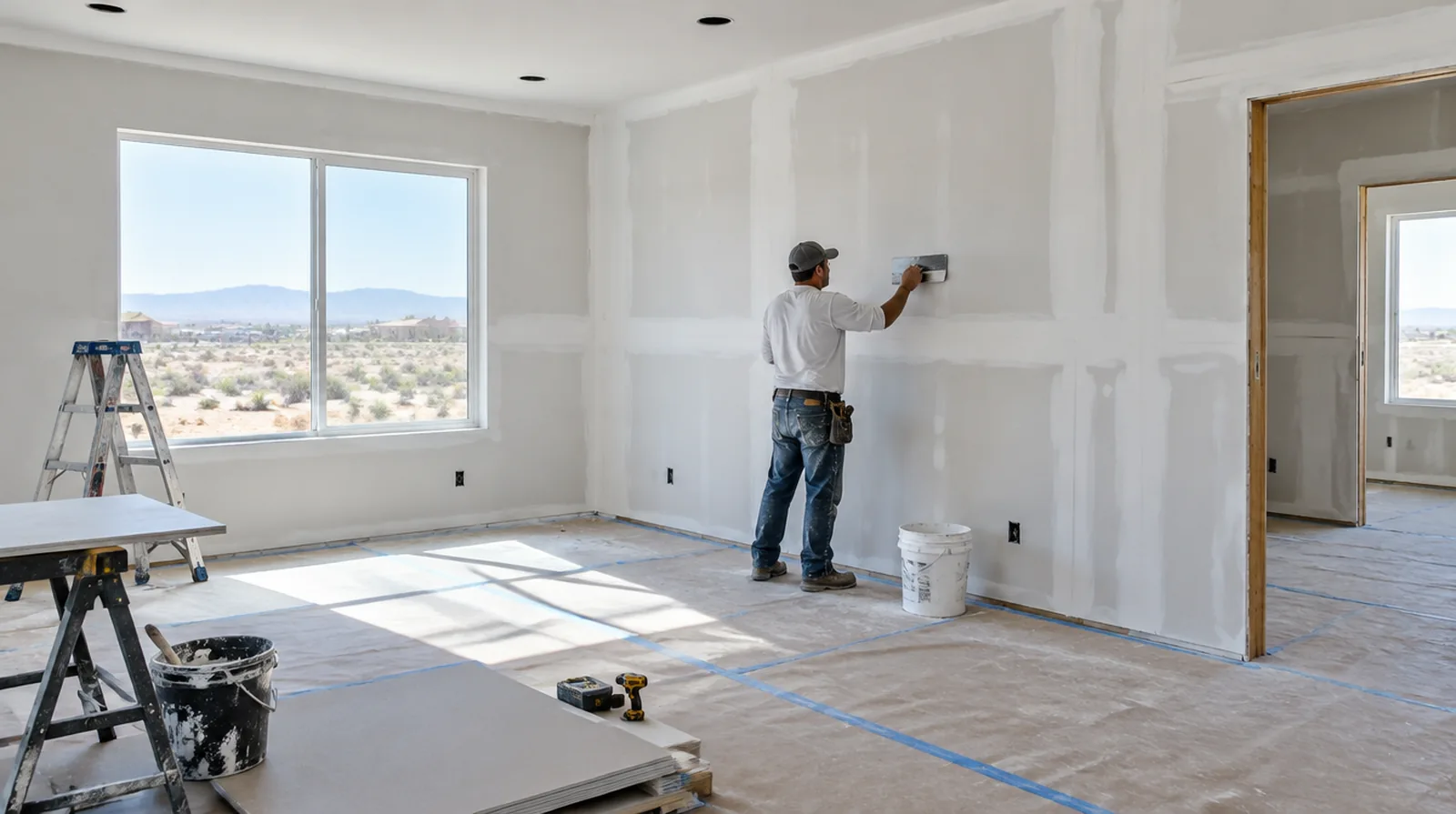
A room looks complete when its walls and ceiling support the decoration instead of drawing attention to old damage. Hesperia Drywall Company presents the choices for high-desert home repair in Hesperia, from replacing broken board to refining the finish on a broader surface. The useful starting question is not only how large the mark is. Ask what remains stable, whether moisture is involved and what the final coating will reveal. Those answers help distinguish a small supported patch from work that needs removal or another professional assessment. Decide the intended result before choosing the method, then make the preparation and handover boundaries part of the same written plan.
Drywall Finishing: embed the tape
Tape needs a properly bonded bedding coat underneath its full length. Inside corners need a crisp fold and balanced coverage on both faces. For this part of the project, identify the inspection and handover milestones that determine when each following stage can proceed. See the drywall finishing guide for the scope questions, preparation stages and finishing decisions specific to that work.
Popcorn Ceiling Removal: protect the entire room
Ceiling removal creates overhead debris that can reach walls, floors and fixtures. Arrange masking, furniture relocation and a suitable removal route rather than covering only a small patch below. For this part of the project, discuss how the finishing materials can dry without disrupting comfort or spreading dust elsewhere. See the popcorn ceiling removal guide for the scope questions, preparation stages and finishing decisions specific to that work.
Commercial Drywall: coordinate approvals
Building management and local requirements may affect working hours, deliveries and inspection milestones. Identify which consents and project information the client or design team must provide. For this part of the project, coordinate its order with flooring, cabinetry and trim rather than scheduling finishing in isolation. See the commercial drywall guide for the scope questions, preparation stages and finishing decisions specific to that work.
Soundproof Drywall: address air leakage
Small gaps around edges and service penetrations can undermine an otherwise substantial wall. Appropriate acoustic sealing belongs in the plan wherever the selected assembly requires it. For this part of the project, allow for an assessment that can distinguish stable material from layers that ought not to be covered. See the soundproof drywall guide for the scope questions, preparation stages and finishing decisions specific to that work.
Drywall Repair: review with side lighting
Use an angled view as well as a direct view when reviewing a finished patch. Checking from more than one angle helps separate surface imperfections from differences in coating sheen. For this part of the project, set a workable boundary around construction while retaining the access people need for normal daily activities. See the drywall repair guide for the scope questions, preparation stages and finishing decisions specific to that work.
Texture Matching: control application conditions
Spray settings, material consistency and working distance all influence the resulting texture. A knockdown pass also depends on when the applied material reaches the right condition in that room. For this part of the project, plan drying conditions alongside dust protection and the comfort of people occupying neighboring spaces. See the texture matching guide for the scope questions, preparation stages and finishing decisions specific to that work.
Ceiling Repair: separate fixtures from board work
Electrical fittings, sprinkler components and mechanical grilles can involve other trades or building approvals. Assign removal and reinstatement responsibilities for any fitting that blocks safe repair access. For this part of the project, assess the complete package of access and protection rather than relating cost only to the opening size. See the ceiling repair guide for the scope questions, preparation stages and finishing decisions specific to that work.
Skim Coating: choose paint with the finish
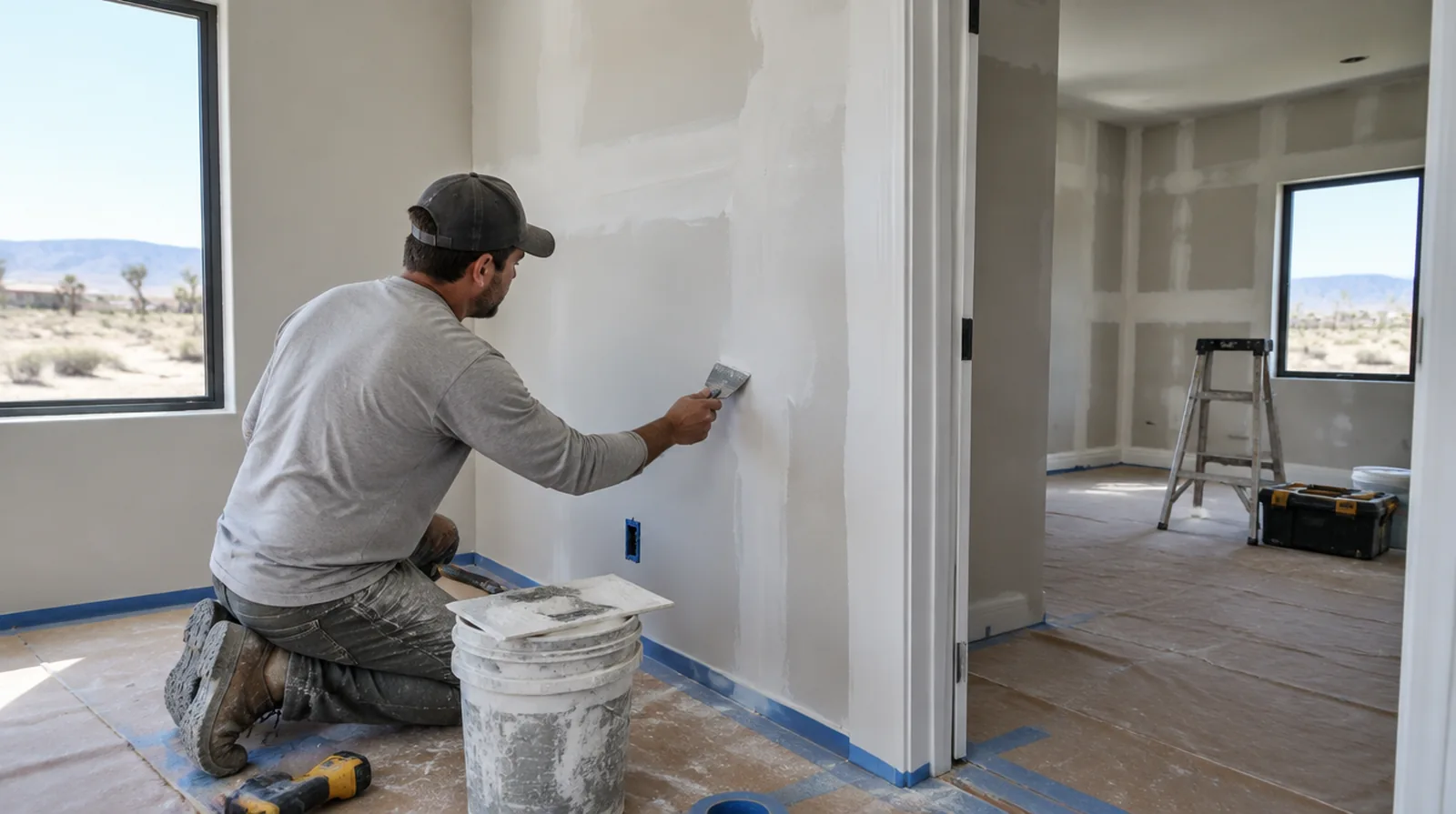
A glossy decorative choice may reveal variations that a lower sheen makes less apparent. Discuss the final decorative plan before deciding how extensive the surface preparation needs to be. For this part of the project, allow for intervals between coats as well as active labor rather than assuming the entire process happens continuously. See the skim coating guide for the scope questions, preparation stages and finishing decisions specific to that work.
Water Damage Drywall Repair: treat remaining discoloration
An old dry mark may bleed through new decoration unless an appropriate primer is selected. Choose that treatment only after confirming the discoloration does not signal continuing moisture. For this part of the project, consider whether differences in texture or sheen will require a wider decorative treatment. See the water damage drywall repair guide for the scope questions, preparation stages and finishing decisions specific to that work.
Drywall Installation: define the finish level
Hanging board and delivering a prepared for decoration wall are distinct stages that should be described separately. Strong side lighting or a glossy coating can justify more extensive finishing than a utility room. For this part of the project, describe when the mark first appeared and whether it has changed through more than one season. See the drywall installation guide for the scope questions, preparation stages and finishing decisions specific to that work.
Access and drying conditions in Hesperia
The route to a Hesperia work area deserves attention before materials arrive. Include wide lots and attached garages in the first discussion, together with the spaces that must remain available during the project. Outdoor conditions such as hot dry summers with cold desert nights do not tell the whole story of how compound dries indoors; the actual room environment needs to support each coat. A plan for dealing with swing between day and night temperatures should leave time for assessment and any required handover from other trades. Protection may also need to continue through corridors and entrances rather than stop at the room boundary. Arrange those details early so setup does not become an unexpected interruption to the rest of the property.
Compare the same finishing boundary
Two estimates with the same service heading may describe quite different outcomes. One may include only panel replacement, while another continues through taping, sanding and preparation for primer. Compare the physical removal limits, support details and handover condition before comparing the totals. Ask separately about protection, waste handling and reinstating anything removed for access. If the next stage belongs to a painter, identify the preparation that trade will receive. A change in concealed conditions should lead to a documented scope discussion before more material is disturbed. This makes the comparison about the work being offered rather than the name printed above the price.
Arrange the information before the next step
Prepare a wide photograph of the room, closer views of the affected surface and rough measurements. Note any known leaks, earlier repairs or changes in the building. Describe the desired appearance after decoration and whether the room needs to remain occupied. A site assessment can then focus on the material condition and the most suitable method, instead of using the first visit only to discover basic access details. Visit the contact page for the business address and a map of the area served. Use the form to describe the work; or call the number shown at the top of this page.
Read about the project approach or view contact and planning details.
More planning details for Hesperia
Afternoon light across a smooth wall reveals ridges that are hard to see at noon, so review the finish later in the day. Hesperia rooms that face west can heat quickly in the afternoon, so finishing coats are easier to manage early in the day. Fine desert dust settles on fresh compound, which is why closing windows and doors during sanding matters here.